Trailing vs. Fixed Drawdown: Which Rule to Choose for Your Challenge?
Choosing the right drawdown is crucial for passing a prop firm challenge. Discover how to navigate between trailing and fixed drawdowns to secure your gains.
Understanding the Drawdown Concept in Prop Firms
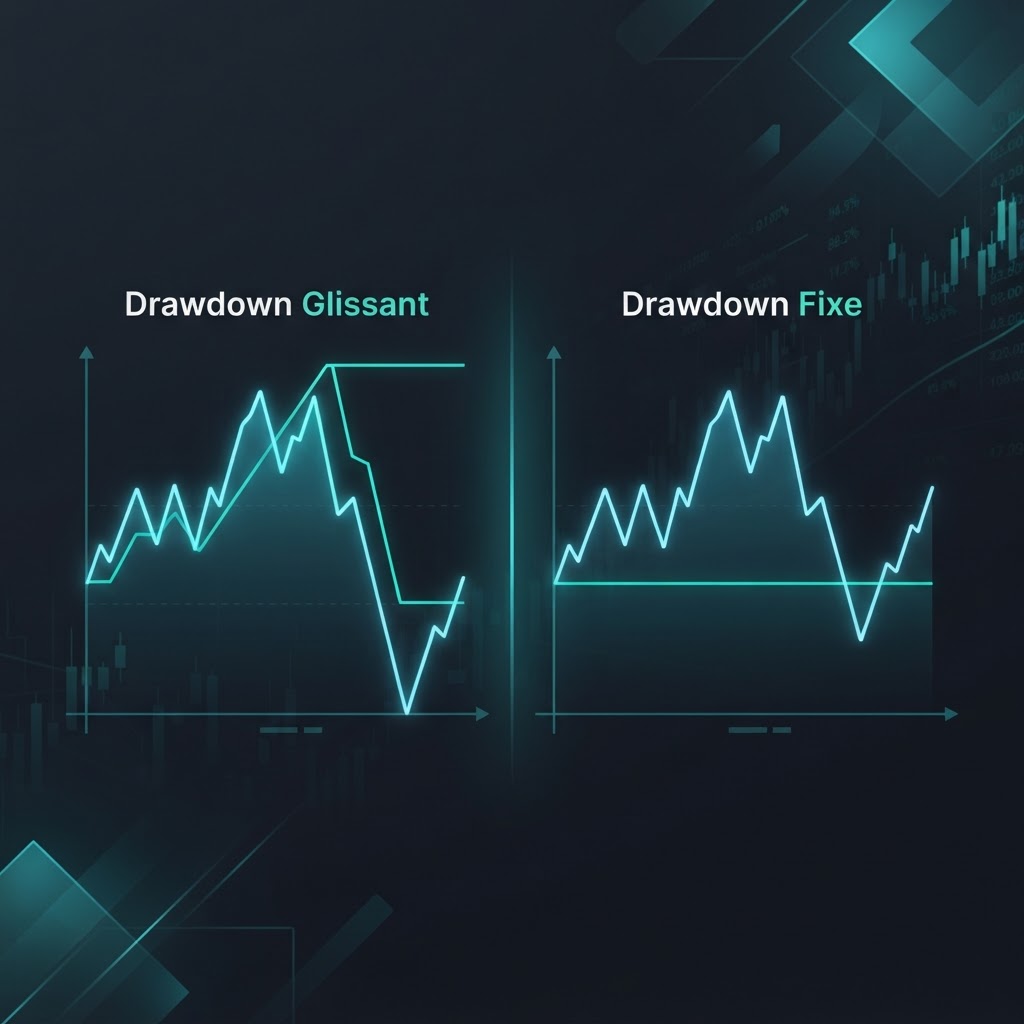
In the world of trading, the drawdown is arguably the most feared, yet most essential, indicator. For every aspiring funded trader, mastering this concept is the key to surviving the market. Whether you trade Forex or indices like the NAS100, every transaction influences your overall drawdown. But what really distinguishes the trailing model from the fixed model?
The Trailing Drawdown: A Formidable Enemy
How the Trailing Drawdown Works
The trailing drawdown is the strictest rule imposed by many prop firms. It follows your account balance or equity in real-time as your profits increase. If your balance reaches a new peak, your maximum loss limit moves along with it.
The Risks for the Trader
The major problem with the trailing drawdown is that it leaves you no room to breathe after a series of gains. If you gain $2,000 but then lose $1,500, you could fail the challenge even if your initial capital is still intact. This requires extremely rigorous risk management and ironclad discipline to avoid "giving back" your gains to the market.
The Fixed Drawdown: A Fairer Option
The Peace of Mind of Fixed Drawdown
Conversely, the fixed drawdown is based on the initial account capital. No matter how much you earn, your loss limit does not move. If you have a $100,000 account with a 10% allowed loss, you know you will only be disqualified if your balance drops to $90,000. This rule allows you to capitalize on your gains without fearing that your loss limit will rise.
Why Choose It?
This model is ideal for long-term trading strategies, particularly on volatile assets like gold, where you can Trade XAUUSD on TopTraderPrime with a trend-following approach. The fixed drawdown offers the psychological serenity necessary to avoid stress from every minor fluctuation.
Comparison: What Impact on Your Strategy?
The choice between these two models depends primarily on your trading style. A scalper who strings together small trades might be able to accommodate a trailing drawdown, as they are not looking to let gains run over very long periods. However, for a swing trader, the trailing drawdown quickly becomes a major obstacle, as it prevents compound growth of capital without increased risk.
Tips for Passing Your Challenge
To maximize your chances of getting your first payout, follow these tips:
- Analyze the Rules: Before paying for your challenge, scrupulously verify the type of drawdown.
- Adapt Your Position Size: Never risk too high a percentage of your capital per trade.
- Use a Systematic Stop Loss: Regardless of the drawdown, protecting capital remains the absolute priority.
- Master Your Emotions: The fear of losing the account during a trailing drawdown often leads to making fatal mistakes.
Conclusion: Make the Right Choice with TopTraderPrime
Choosing the right type of drawdown is a strategic decision that can make the difference between failure and getting funded. If you are looking for transparent trading conditions and rules designed to promote trader success, it is time to take action. Join the community of funded traders at TopTraderPrime and start your journey toward financial freedom today with conditions adapted to your style.
Put it into practice with a funded account
Ready to trade?
Join thousands of funded traders
Recent articles
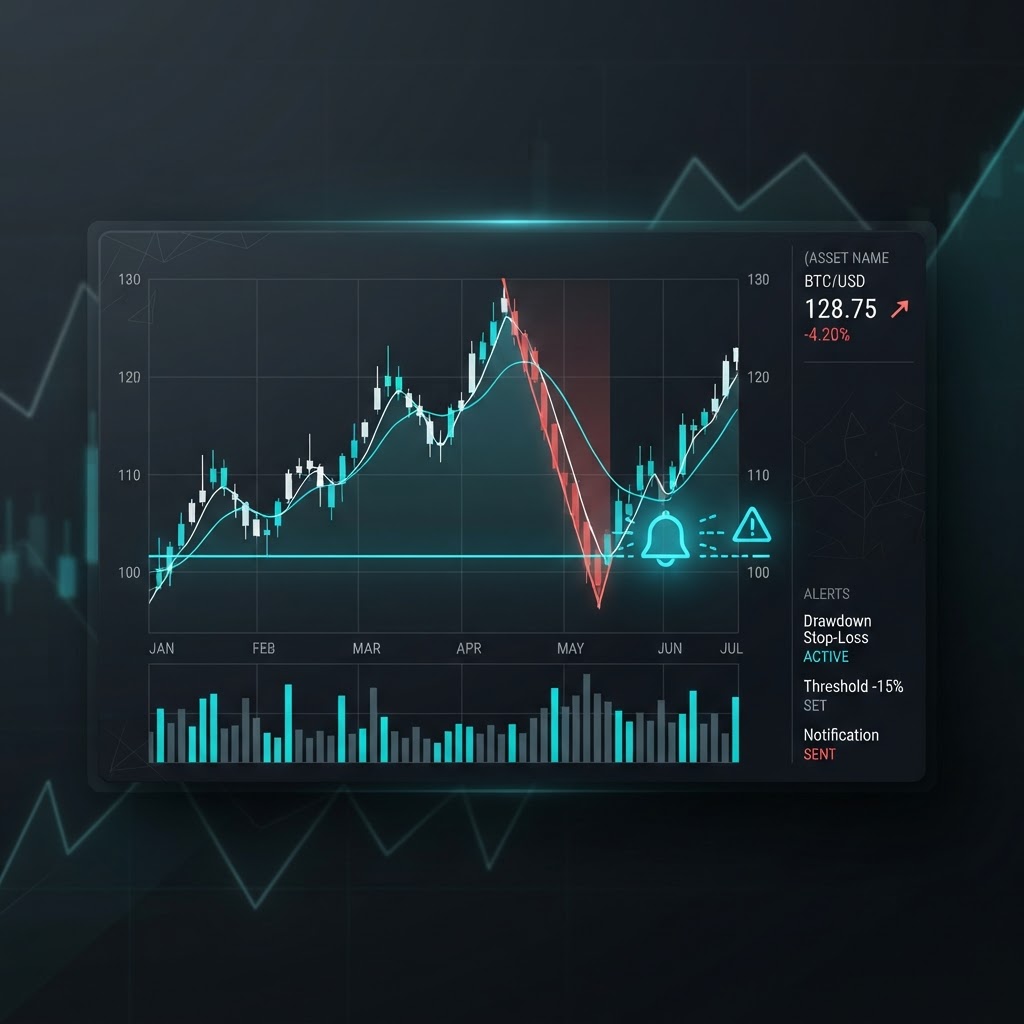
Drawdown Stop-Loss: How to set up your alerts so you never fail
26 November 2026

TopTraderPrime is now available on the App Store
26 November 2026

Time Management in Challenges: How to Optimize Your Schedule for Success
25 November 2026
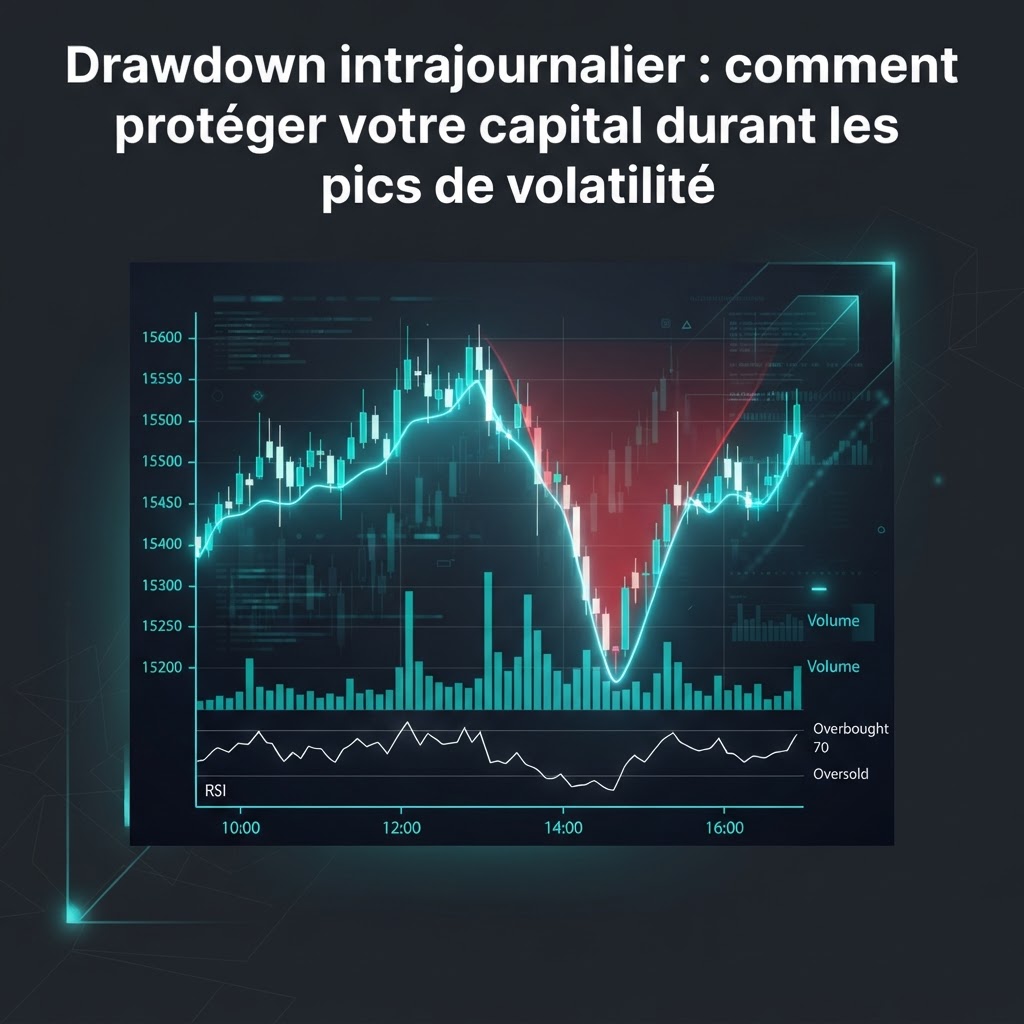
Intraday Drawdown: How to Protect Your Capital During Volatility Spikes
23 November 2026